



Zhong Kui - Bamboo Root Carving
Zhong Kui, also known as Zhong Kui, is a famous ghost catching hero in Chinese and Japanese mythology. Legend has it that he can drive away demons and lead 80000 ghost soldiers. His image is often painted on the lintel of households as a guardian deity, and is also common in commercial places to protect valuable items. Through the technique of bamboo root carving, the majestic image of Zhong Kui is vividly depicted, reflecting the exquisite skills and cultural connotations of traditional Chinese arts and crafts. It is the inheritance of traditional Chinese culture and folk beliefs. Produced by Chinese arts and crafts master Liang Fengzhu in 2013, it showcases the image of the deity Zhong Kui in traditional Chinese culture. It is currently collected in the Liangfengzhu Arts and Crafts Museum in Nanyue, Hengyang, China.
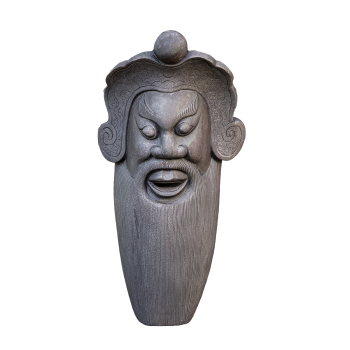
Zhang Fei - Dark Wood Carving
Zhang Fei, also known as Yide, was a famous military commander in the late Eastern Han Dynasty and one of the founding fathers of Shu Han during the Three Kingdoms period. He, along with Liu Bei and Guan Yu, is known as the "Three Swords of Peach Garden" and is renowned for his bravery and boldness. In his early years, he rose up with Liu Bei and participated in the suppression of the Yellow Turban Uprising. In the chaotic era of warlords' domination, he became Liu Bei's trusted assistant with his extraordinary strength and bravery. Zhang Fei has a straightforward personality and often leads by example in battles. He is exceptionally brave and makes the enemy tremble at the sound of his words. The gloomy wooden carving work with the theme of Peach Blossom Oath was created by Chinese arts and crafts master Liang Fengzhu in 2019. The work is now collected at the Liang Fengzhu Arts and Crafts Museum in Nanyue, Hengyang, China.
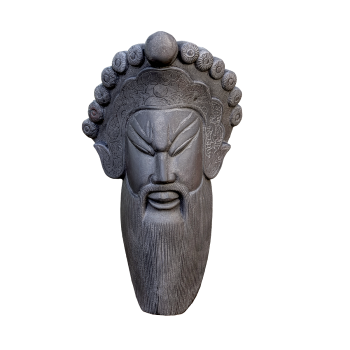
Guan Yu - Dark Wood Carving
Guan Yu, also known as Yunchang, was a famous military commander in the late Eastern Han Dynasty of China and one of the important figures of Shu Han during the Three Kingdoms period. He is known for his bravery, loyalty, and loyalty, and is revered as the "Martial Saint" by later generations. In his early years, he rose up with Liu Bei and participated in the suppression of the Yellow Turban Uprising. In the subsequent warlords' conquests, he became brothers with Liu Bei and Zhang Fei and experienced countless battles together. Throughout history, the imperial court has repeatedly posthumously conferred upon him the title of "Guansheng Emperor". The gloomy wooden carving work with the theme of Peach Blossom Oath was created by Chinese arts and crafts master Liang Fengzhu in 2019. The work is now collected at the Liang Fengzhu Arts and Crafts Museum in Nanyue, Hengyang, China.

Zhang Guolao - Bamboo Root Carving
Zhang Guo is a character in ancient Chinese mythology and is also one of the Eight Immortals of Taoism. In traditional Chinese culture, the Eight Immortals each have their own characteristics, and Zhang Guolao is famous for his longevity and miracles, and is considered one of the real figures in history. The story began around the mid to late 7th century and ended in the mid-8th century. The word 'old' in a name means elder or respectful. Created by Chinese arts and crafts master Liang Fengzhu in 1989, it is now collected at the Liang Fengzhu Arts and Crafts Museum in Nanyue, Hengyang, China. Through exquisite carving techniques, the image depicted showcases Zhang Guolao's demeanor and characteristics, making it vivid and lifelike.

Er Long Xi Zhu - Dark Wood Carving
The gloomy wood carving work created by Chinese arts and crafts master Liang Fengzhu in 2005 is currently collected at the Liang Fengzhu Arts and Crafts Museum in Nanyue, Hengyang, China. The theme of "Two Dragons Playing with a Pearl" in traditional Chinese culture depicts a vivid scene of two dragons circling and playing around a precious pearl. It is a traditional Chinese auspicious pattern that symbolizes power, strength, and good luck. In Chinese culture, the dragon is a symbol of auspiciousness, representing supreme power and wisdom; And pearls symbolize wealth and light. This pattern is commonly seen in ancient architecture, art, and celebratory events, symbolizing national peace and prosperity.

Arhat Woodcarving
This is a wood carving work by Chinese arts and crafts master Liang Tieqiu from 2015. It is currently collected at the Liangfengzhu Arts and Crafts Museum in Nanyue, Hengyang, China. It shows a scene where a Arhat subdues a fierce dragon with fearless courage and strength. In Buddhist legend, Arhat is a saint who has reached nirvana but has not entered nirvana in order to educate all beings. The dragon subduing Arhat symbolizes infinite magic power and wisdom with his magic tools - Ruyi beads and holy bowls. The image is majestic and solemn, full of bravery and strength, successfully conquering the dragon, which symbolizes overcoming the troubles and obstacles in human hearts in Buddhist art.

Longfeng Chengxiang - gloomy wood carving
It is a wooden carving work by Chinese master of arts and crafts Liang Fengzhu, created in 2002. It is currently collected at the Liang Fengzhu Arts and Crafts Museum in Nanyue, Hengyang, China. This work is made using traditional Chinese gloomy wood carving techniques, showcasing the images of dragons and phoenixes that symbolize auspiciousness in Chinese traditional culture. In China, dragon and phoenix respectively represent authority and dignity, as well as beauty and virtue. Often used together, it symbolizes harmony, happiness, and a happy relationship between husband and wife. The theme of 'Dragon and Phoenix Bringing Auspiciousness' is extremely common in Chinese culture, often used in important occasions such as weddings and celebrations, symbolizing prosperity and the arrival of good luck.

Confucius bamboo root carving
Confucius was a philosopher and politician during the Spring and Autumn period in China, traditionally regarded as a model of Chinese sages. Confucius' teachings and philosophy form the foundation of East Asian culture and society, and still have influence today. His ideology emphasizes values such as benevolence, righteousness, propriety, wisdom, and trustworthiness, which have had a profound impact on the moral ethics and political theory of later generations. The bamboo root sculpture "Confucius" created by Chinese arts and crafts master Liang Fengzhu in 2005 is now collected at the Liang Fengzhu Arts and Crafts Museum in Nanyue, Hengyang, China. Using bamboo roots as the material and employing exquisite carving techniques, the image of Confucius as a sage is presented.

Liuhai Opera Golden Toad Bamboo Root Carving
Liu Hai playing with the Golden Toad is a classic image in traditional Chinese mythology. Liu Hai is one of the ancestors of the Quanzhen School of Taoism and a master of inner alchemy techniques. Often appearing together with Zhong Liquan and Lv Dongbin among the Eight Immortals of Taoism. In traditional art works, bangs are often depicted as holding a string of square hole copper coins and a three legged golden toad, which is a symbol of wealth and auspiciousness in Chinese culture. The bamboo root carving work was created by Chinese arts and crafts master Liang Fengzhu in 2000 and is now collected at the Liang Fengzhu Arts and Crafts Museum in Nanyue, Hengyang, China. Using exquisite bamboo root carving techniques, the classic scene of Liu Hai playing with the Golden Toad is showcased.

Popular Models
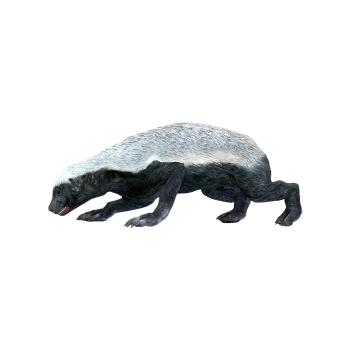
Honey Badger (3D animated model)
192 View
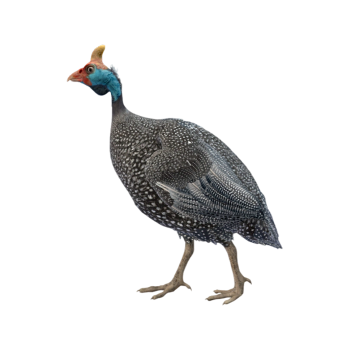
Guinea fowl (3D animated model)
163 View
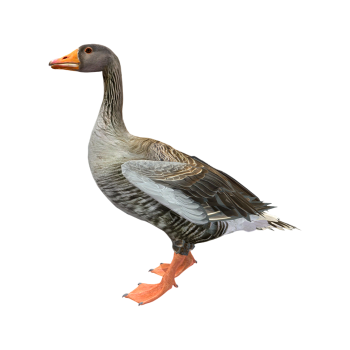
Wild Goose (3D animated model)
185 View

Red Fox (3D animated model)
153 View
Random Model




H4n Pro Recorder
782 View

White Rhinoceros
940 View

Raccoon (with 3D animated model)
770 View


Prince Enrique
748 View

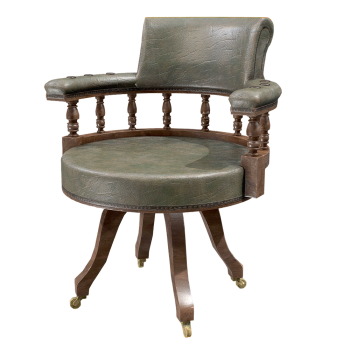
Classic Captain's Chair
455 View